Japan’s Ministry of Defense (MoD) on August 31 requested a record 8.9 trillion yen ($55.5 billion) for fiscal year 2027, which begins in April 2027.
The fiscal 2027 request places particular emphasis on artificial intelligence (AI) and unmanned assets as Japan seeks to adapt to what the ministry calls “new ways of warfare.” It includes a number of major programs related to the Japan Maritime Self-Defense Force (JMSDF), including New FFM and Taigei-class submarine construction, the acquisition of long-endurance unmanned aerial vehicles, and the strengthening of stand-off and undersea warfare capabilities.
The final budget is expected to be substantially larger, as around 160 entries have been submitted as unpriced “item requests” (jiko yokyu) ahead of the government’s planned revision of Japan’s three key security documents by the end of this year. It is widely expected to exceed 10 trillion yen for the first time, marking a 15th consecutive annual increase and a 13th consecutive record high.
The budget requests related to the maritime domain are as follows:
Construction of New FFMs
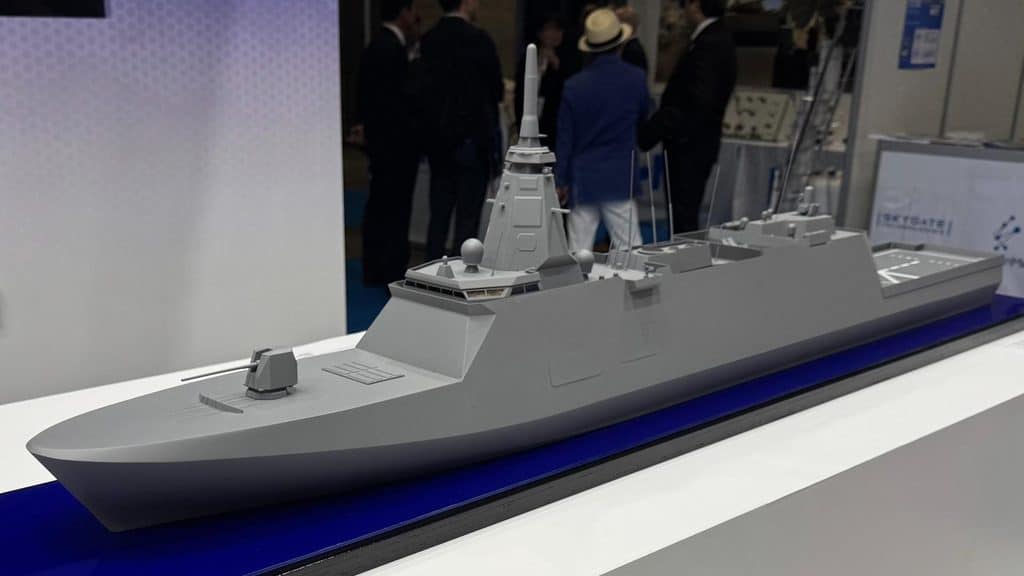
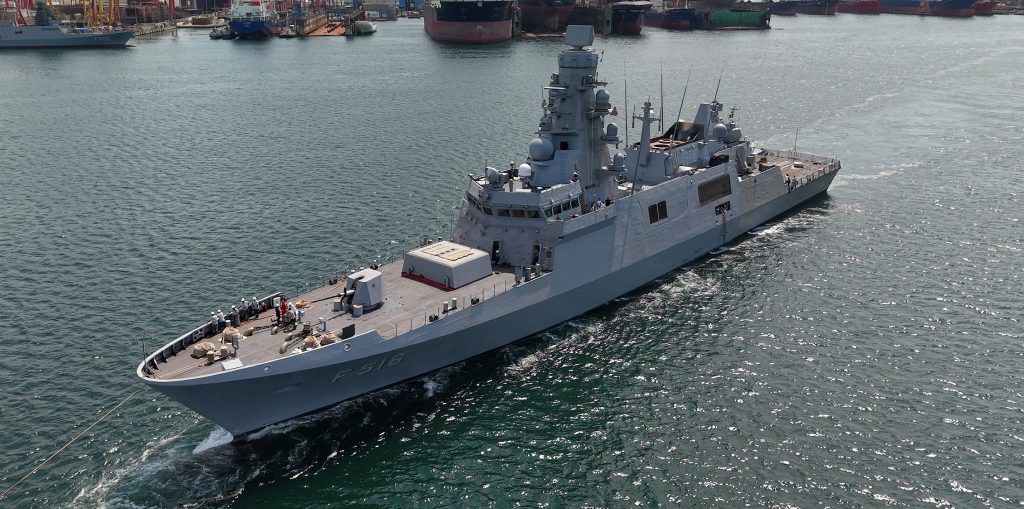
The MoD included the construction of New FFMs, or upgraded Mogami-class multirole frigates, as an item request, meaning the number of ships to be built and the amount of funding will be determined during the year-end budget compilation process.
The MoD has so far earmarked construction costs for six of the 12 planned New FFMs: two ships in the fiscal 2024 budget, three in fiscal 2025 and one in fiscal 2026. The new frigates have a standard displacement of 4,800 tonnes and are designed to have improved anti-air, anti-submarine and other maritime warfare capabilities compared with the existing Mogami class.
The New FFM is also the basis for the future general-purpose frigate selected by the Royal Australian Navy in 2025.
Aegis System Equipped Vessels ($431 million plus an item request)
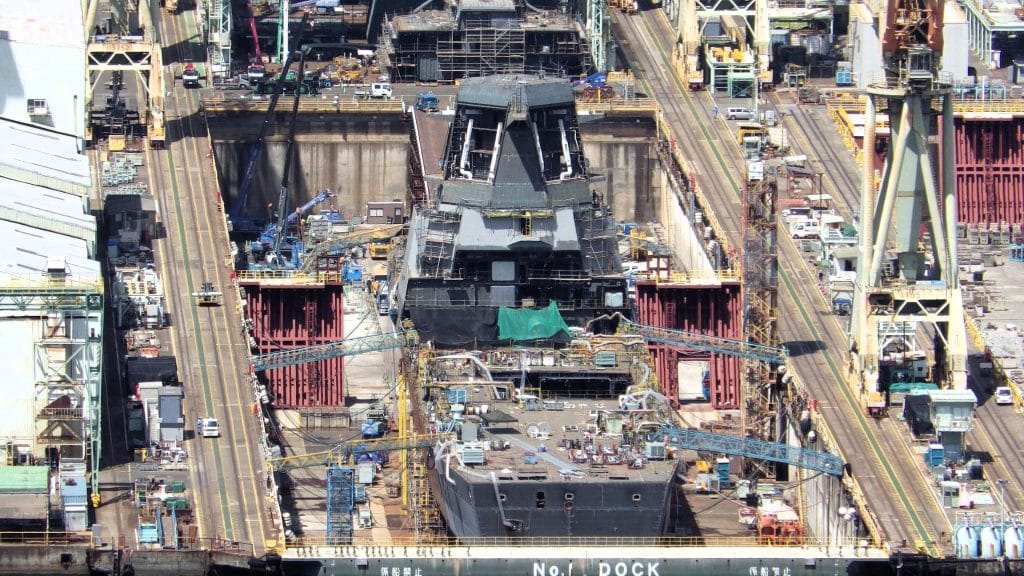
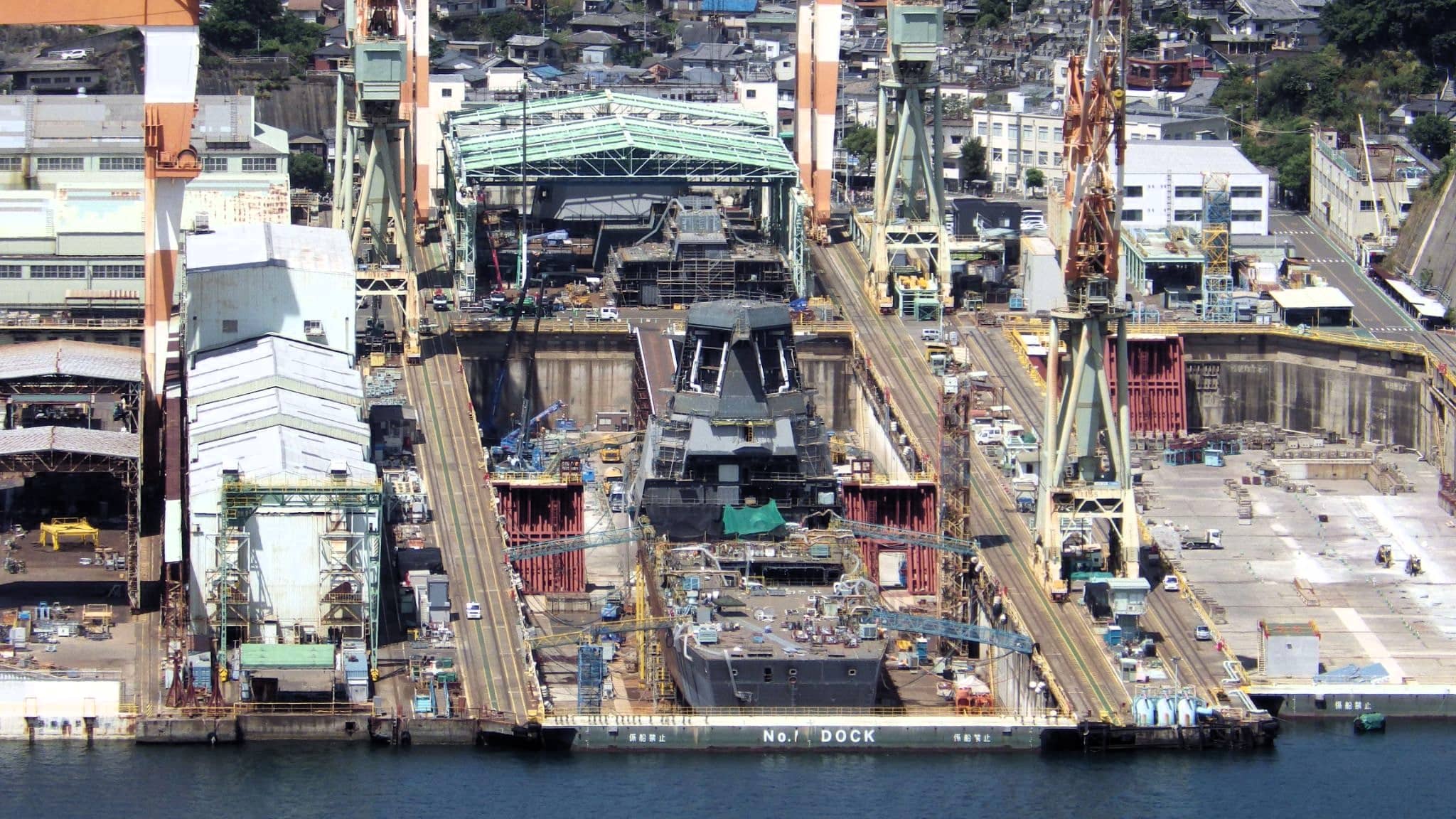
The MoD requested 68.9 billion yen ($431 million), plus an item request, in fiscal 2027 for expenses related to the two Aegis System Equipped Vessels (ASEVs) currently under construction for the JMSDF.
The funding includes expenses related to preparations for various tests of the two ships. The first ASEV is scheduled to enter service by the end of fiscal 2027, followed by the second by the end of fiscal 2028.
Construction of Sakura-class OPVs
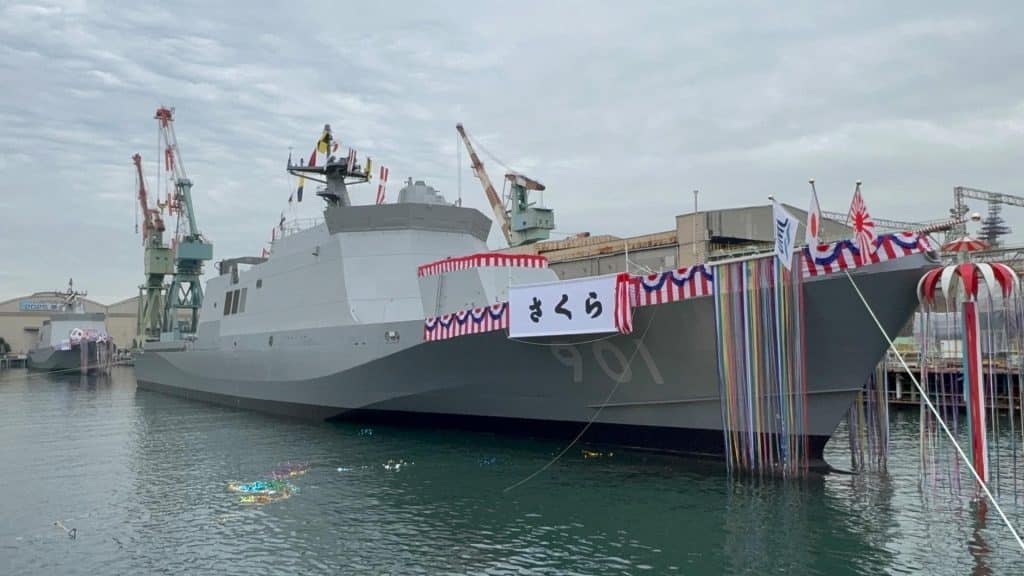
The MoD included the construction of Sakura-class offshore patrol vessels (OPVs) as an item request, meaning the number of ships and funding will be determined during the year-end budget compilation process.
The JMSDF plans to eventually operate 12 ships of the class, with the first six already funded. The 1,920-tonne OPVs have a crew of about 30 and are designed to operate UAVs, including the V-BAT, as well as RHIBs and USVs.
Taigei-class submarine construction
The MoD included funding for Taigei-class submarine construction as an item request, meaning that the number of boats to be built and the amount of funding will be determined during the year-end budget compilation process.
The Taigei class has a standard displacement of 3,000 tonnes and uses lithium-ion batteries to improve underwater endurance. The JMSDF has been steadily introducing the class to replace older submarines while maintaining and modernizing its undersea warfare capabilities.
Acquisition of 17 MQ-9B UAVs ($1.83 billion)
The MoD requested 292.2 billion yen ($1.83 billion), plus an item request, to acquire 17 MQ-9B SeaGuardian long-endurance unmanned aerial vehicles as part of efforts to strengthen intelligence, surveillance, reconnaissance and targeting (ISRT) capabilities.
The JMSDF has conducted trial operations of the SeaGuardian since 2023 and selected the General Atomics-built aircraft for its long-endurance UAV program in December 2024.
The acquisition also forms part of a new emphasis on what the ministry calls “Pacific sea-lane defense.” The MoD said Chinese aircraft carrier operations in the Pacific and flights by Chinese and Russian bombers have increased in recent years, making it increasingly important for Japan to strengthen surveillance on its Pacific side.
Modifications of Izumo-class helicopter carriers ($18.7 million plus an item request)
The JMSDF requested 3 billion yen ($18.7 million), plus an item request, to continue modifying its two Izumo-class helicopter carriers – JS Izumo and JS Kaga – to enable operations of the Lockheed Martin F-35B short takeoff and vertical-landing (STOVL) fighter.
Of the 3 billion yen, 100 million yen is earmarked for JS Izumo, including the manufacture of mounting fixtures to secure F-35B-related equipment inside the ship, while 2.8 billion yen is requested for JS Kaga, mainly for the installation of lighting equipment on the flight deck.
The MoD has allocated a total of 107.4 billion yen for the modifications through fiscal 2026. The fiscal 2027 request would bring the cumulative total to about 110.4 billion yen, excluding any additional funding that may be approved under the item request.
The MoD said modifications to JS Izumo are scheduled to be completed in fiscal 2027, followed by JS Kaga in fiscal 2028.
Acquisition of ship-launched improved Type 12 missiles ($351 million)
The MoD requested 56.2 billion yen ($351 million) for the acquisition of the ship-launched version of the improved Type 12 surface-to-ship missile (SSM).
The missile is one of Japan’s domestically developed stand-off weapons and is designed to allow the SDF to strike targets from outside an adversary’s threat envelope.
The JMSDF is scheduled to begin operating the ship-launched improved Type 12 SSM on the refurbished destroyer JS Teruzuki (DD-116) in fiscal year 2027.
Acquisition of submarine-launched missiles ($102 million)
The MoD requested 16.3 billion yen ($102 million) to acquire submarine-launched guided missiles.
The long-range missile, developed by Mitsubishi Heavy Industries, can be launched from a submarine’s torpedo tubes and is intended to attack both ships and land targets from stand-off ranges.
The MoD has previously said the weapon will be deployed aboard the JMSDF’s newest Taigei-class submarines.
Development of an underwater-launched hypersonic guided missile
One of the most notable new programs is the development of an underwater-launched hypersonic guided missile, which the MoD submitted as an item request.
The ministry said it aims to develop a stand-off weapon that can be launched from a highly survivable underwater platform.
The program is separate from the submarine-launched guided missile already being developed and acquired for the Taigei class.
UUV stand-off missile launch module
The MoD also submitted an item request for research into a stand-off missile launch module for unmanned underwater vehicles (UUVs).
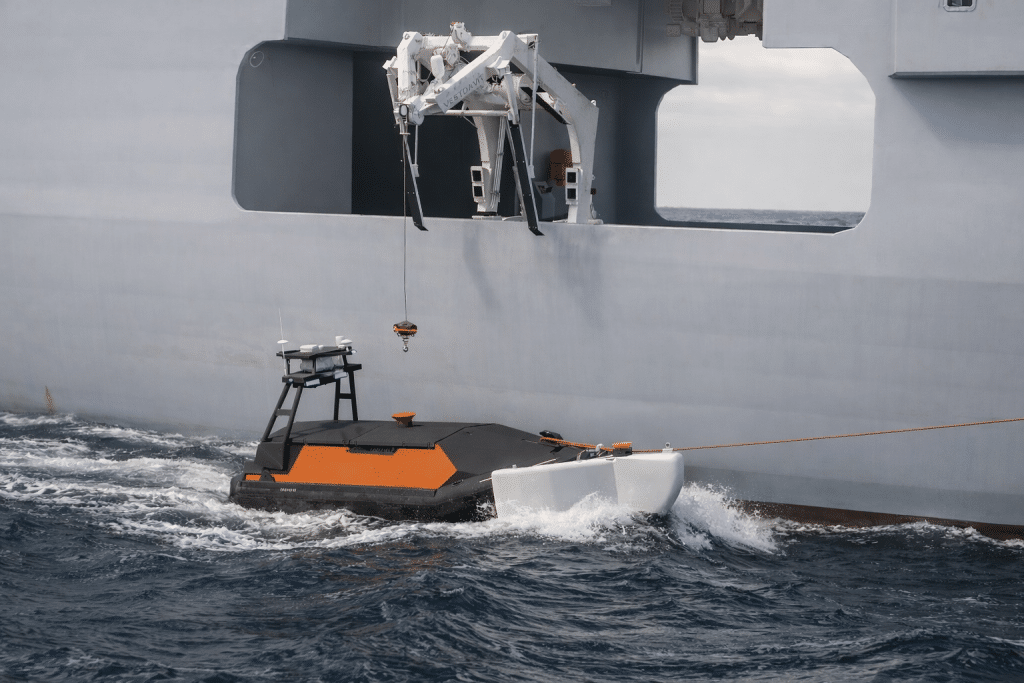
The project is part of a broader push to expand the role of unmanned systems in undersea warfare. The ministry is also seeking funding for research into UUV modules capable of performing search, attack and underwater networking functions, as well as underwater power-supply technology for UUVs.
The MoD said greater use of unmanned assets is intended to reduce personnel losses while providing a cost advantage in future warfare.
Adding Tomahawk launch capabilities to three more Aegis destroyers
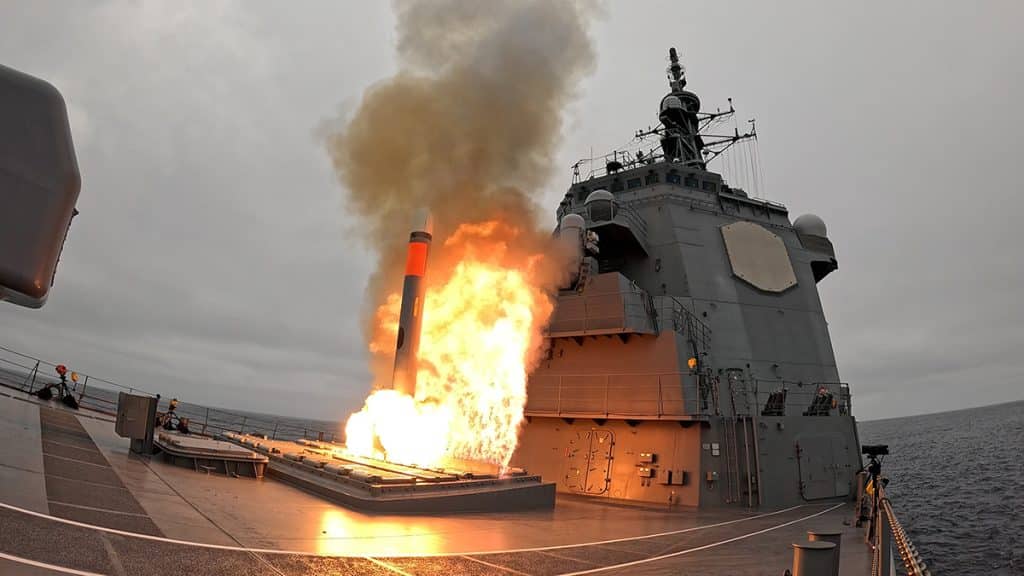
The MoD requested 1.1 billion yen ($6.9 million) to add Tomahawk launch capabilities to three more JMSDF Aegis destroyers – JS Kongo (DDG-173), JS Ashigara (DDG-178), and JS Maya (DDG-179).
Japan plans to acquire up to 400 Tomahawk cruise missiles through the U.S. Foreign Military Sales (FMS) program as part of its stand-off defense capabilities.
The JMSDF currently operates eight Aegis destroyers: four Kongo-class, two Atago-class, and two Maya-class ships. Funding approved through fiscal 2026 totaled about 113.6 billion yen for adding Tomahawk launch capabilities to five of them – JS Chokai (DDG-176), JS Kirishima (DDG-174), JS Haguro (DDG-180), JS Myoko (DDG-175), and JS Atago (DDG-177).
JS Chokai became the first JMSDF Aegis destroyer to acquire Tomahawk launch capability in March 2026 and conducted Japan’s first ship-launched Tomahawk live-fire test in the Pacific Ocean on July 29. The fiscal 2027 request covers the remaining three Aegis destroyers – Kongo, Ashigara, and Maya – meaning all eight of the JMSDF’s existing Aegis destroyers are now slated to receive Tomahawk launch capability.